



Many gastrointestinal diseases require a special diet.There is also a certain diet for pancreatitis (inflammation of the pancreas).The basis of dietary nutrition for pancreatitis should be mucous soups, cereals, dairy products, lean meat and vegetables.
Explaining to patients what they can eat if they have pancreatic disease, experts strongly recommend excluding foods containing coarse fiber from their diet, as they stimulate increased production of digestive enzymes and can lead to a worsening of the patient's condition.
The listed products can fully provide the patient's body with the necessary nutrients without causing damage to the pancreas.
What not to eat if you have pancreatic problems
Following a diet for inflammation of the pancreas is a necessary condition for successful recovery.
Taking medications will bring the expected effect if the sick person strictly follows all the recommendations of the attending physician and completely eliminates prohibited foods from the diet.
The patient's daily menu should consist of healthy, natural and easily digestible foods that do not put additional stress on the diseased organ.
Food products that do not meet this requirement must be completely excluded from consumption.
Which products are not allowed?
The list of strictly prohibited products for pancreatitis is as follows:
- Fried foods (meat, poultry, fish, chips, scrambled eggs, cakes).
- All kinds of offal.
- Rich meat, fish and mushroom broths, as well as dishes prepared with them.
- Animal fats.
- Flours and confectionery products (rye bread, pancakes, cheesecakes, ice cream, dark chocolate, sponge cake and cakes).
- Smoked meats, pickles, marinades.
- Sausages.
- Conservation.
- Dairy products (homemade sour cream, full-fat cottage cheese, salted cheese, glazed curd).
- Dishes based on millet, pearl barley and corn semolina.
- Mayonnaise, ketchup.
- Mushrooms.
- Some types of vegetables (radishes, radishes, turnips, eggplants, white cabbage, tomatoes, cucumbers, onions, garlic).
- Fruits and berries with a sour taste (oranges, lemons, pomegranates, cherries, currants).
- Spicy seasonings.
- Drinks (coffee, strong tea, sparkling water, acidic juices, alcohol).
A sick person should completely exclude the above-listed food products from the menu, since their consumption negatively affects the condition of the pancreas and can cause an exacerbation of pancreatitis even after a long remission.
A glass of red wine, a small portion of fried potatoes or a vegetable salad dressed with mayonnaise can be a provoking factor in the development of the inflammatory process, so you should not interrupt the therapeutic diet under any circumstances.
Diet for pancreatitis: prohibited foods

People diagnosed with pancreatitis should minimize the consumption of jam, marshmallows, jams, jam and waffles without fillings.
The patient can eat these types of sweets in limited quantities and only during a period of stable remission.
Partially permitted products also include hard-boiled eggs.
In order not to provoke an exacerbation of the disease, it is advisable for the patient to eat only egg whites.
You should avoid eating egg yolks because they contain a lot of fat.You can eat 2-3 proteins per week.
Milk is prohibited during an exacerbation of pancreatitis.
During the remission period, you cannot consume more than 200 ml per day.It is best to add this product to cereals, soups and teas.
Digestion of bananas requires a large amount of enzymes, which the inflamed pancreas is unable to produce.
For this reason this fruit should be included in the diet with caution and only at a time when the patient does not complain of poor health.
Butter is another product that should be treated with extreme caution if you have pancreatic problems.
In order not to damage the inflamed organ, experts recommend seasoning ready-made dishes (porridge, soups, pasta) with it.
The diet for pancreatitis of the pancreas and butter in its pure form are incompatible;it is forbidden.
Among vegetable fats, the patient should give preference to olive and cedar oil.
Their daily intake should not be more than 1 tablespoon.the.
Experts strongly advise people suffering from pancreatitis to exclude table salt from their diet.
Instead, you can add a little sea water to ready-made dishes.
Products permitted for pancreatitis
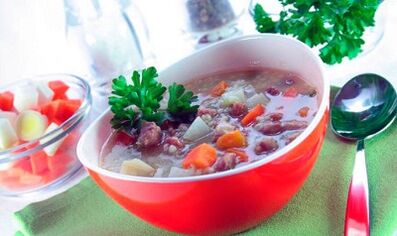
What can people diagnosed with pancreatitis eat?
Nutrition for this disease should include simple, healthy foods, the consumption of which will not create a physical and chemical load on the digestive organs.
Authorized products include:
- lean varieties of meat (beef, rabbit, chicken, turkey) and fish (hake, cod, haddock, cod);
- cereals (oatmeal, rice, buckwheat);
- vegetables (potatoes, cauliflower, pumpkin, carrots, courgettes).
The listed products can be consumed both during remission and during exacerbation of the disease.
Meat and fish should be served boiled or baked.
You can also cook steamed cutlets or soufflés.
Grains should be used to make slimy soups and porridges.
It is not recommended to eat raw vegetables during the inflammatory process in the pancreas.
To reduce the load on the diseased organ, before consumption they must be subjected to heat treatment (boiled, steamed or baked), and then ground into puree.
During remission, when the patient does not complain of health problems, his menu can be diversified, and the diet for pancreatitis can include durum wheat pasta, low-fat dairy products (kefir, curdled milk, yogurt, cottage cheese), sweet fruits (grapes, plums, melons, watermelons, apples), stale wheat flour bread, biscuits.
For drinks, preference should be given to compotes, jellies and freshly squeezed non-acid juices.
Once every 2-3 weeks the patient is allowed to include seafood in the diet.They will provide your body with iodine and protein.
How to eat if you have pancreatic problems
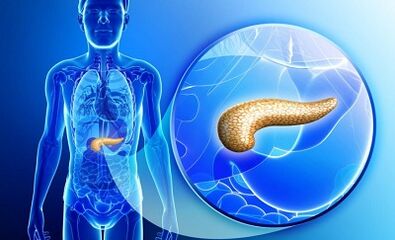
The patient can create his own diet for pancreatic disease, guided by general recommendations and his own culinary preferences.
For a pancreatitis diet to be effective, you should consume slightly warmed foods and drinks.
You should not eat too hot or cold dishes, as they can provoke another exacerbation of the disease.
With pancreatitis it is recommended to eat 5-6 times a day in small portions.
If the patient systematically overeats, it will create additional stress on the digestive tract and will not be able to achieve long-term remission.
Although the diet for pancreatitis of the pancreas plays an important role in the fight against this disease, it is not able to cure it without the use of drugs.
At the first signs of the disease, a person should consult a qualified doctor and start taking prescribed medications.
During an attack of pancreatitis and for 2-3 days after its completion, the patient must completely refuse food.To maintain the body's vital functions during this period, you should drink carbon-free alkaline water and unsweetened green tea.
When the patient's well-being improves, he can gradually include mucous soups filtered through a sieve and porridges boiled in water in his diet.Servings should consist of several tablespoons.
As the patient recovers, he or she is allowed to begin consuming other approved products.
If there is a problem with the pancreas, the diet should be followed for an unlimited period.
Even if a person has not been bothered by attacks of pancreatitis for a long time, he cannot refuse medical nutrition.
Doctors warn: if you ignore food restrictions and consume prohibited foods, the disease will remind itself again.
You can avoid another exacerbation of the disease only if you follow a diet for pancreatitis, not allowing yourself indulgences even during the holidays.